
Voice AI
Voice AI in Germany: planning disclosure, recording and outbound calls correctly
Practical orientation for Germany: AI disclosure, recording agreement, outbound consent, suppression, data minimisation and handover.
Short answer
A voice agent states the company, purpose and AI role at the beginning. Audio is recorded only after separate, explicit agreement. Consumer telemarketing generally requires prior express consent and evidence retained for five years.
Key takeaways
- Disclose direct AI interaction under rules applying since 2 August 2026.
- Treat AI disclosure and agreement to recording separately.
- Run inbound, requested callbacks and telemarketing as separate processes.
- Technical outbound limits do not create legal permission.
The short answer
A voice agent should clearly identify itself as AI at the start. Call recording is not enabled as an invisible default; it begins only after documented, informed agreement. Marketing calls to consumers generally require prior express consent, and evidence must be retained. Inbound service, requested callbacks and outbound marketing are legally and technically separate processes.
This guide provides practical orientation, not legal advice. The industry, purpose, data, recipients and exact conversation design require legal and data-protection review before launch.
AI disclosure has applied explicitly since August 2026
Article 50 of the EU AI Act has applied since 2 August 2026. Systems intended to interact directly with natural persons must generally ensure that people are informed that they are interacting with AI, unless this is obvious to a reasonably well-informed person in the circumstances.
For a phone agent, the robust implementation is straightforward: state the company, purpose and AI role at the beginning. Keep the wording short and understandable. An example is: “Hello, this is the digital phone assistant for [company]. I can help with appointments and general questions. How can I help?”
Disclosure is not a weakness to conceal. It sets expectations and gives the caller a fair choice. If they want a person, the process needs a real transfer or callback path.
Recording is a separate decision
AI disclosure is not consent to record audio. The German data-protection authorities' conference considers call recording generally permissible only with the external participant's consent. It says agreement must be expressed clearly before recording begins; continuing the call after a notice is not enough. Section 201 of the German Criminal Code additionally protects the confidentiality of the non-publicly spoken word from unauthorised recording.
Operationally, the agent explains the purpose and processing before recording and asks for an active decision. When consent is withheld, the process should offer a non-recorded path or human alternative where possible. A transcript, summary and derived data also involve personal-data processing and need their own assessment.
Separate inbound, callback and marketing
An inbound appointment enquiry is not the same as an automated marketing call. A specifically requested callback is not automatically a broad permission for future campaigns.
Section 7 of Germany's Unfair Competition Act requires prior express consent for telephone marketing to consumers. At least presumed consent is required for other market participants. For automatic calling machines, the law specifies prior express consent. Section 7a requires consumer telemarketing consent to be documented appropriately and retained for five years from granting and after each use.
Check purpose and permission before every call
Classify the call
Treat inbound, specifically requested callback and marketing separately.
Check permission
Verify purpose, recipient, consent and suppression status before calling.
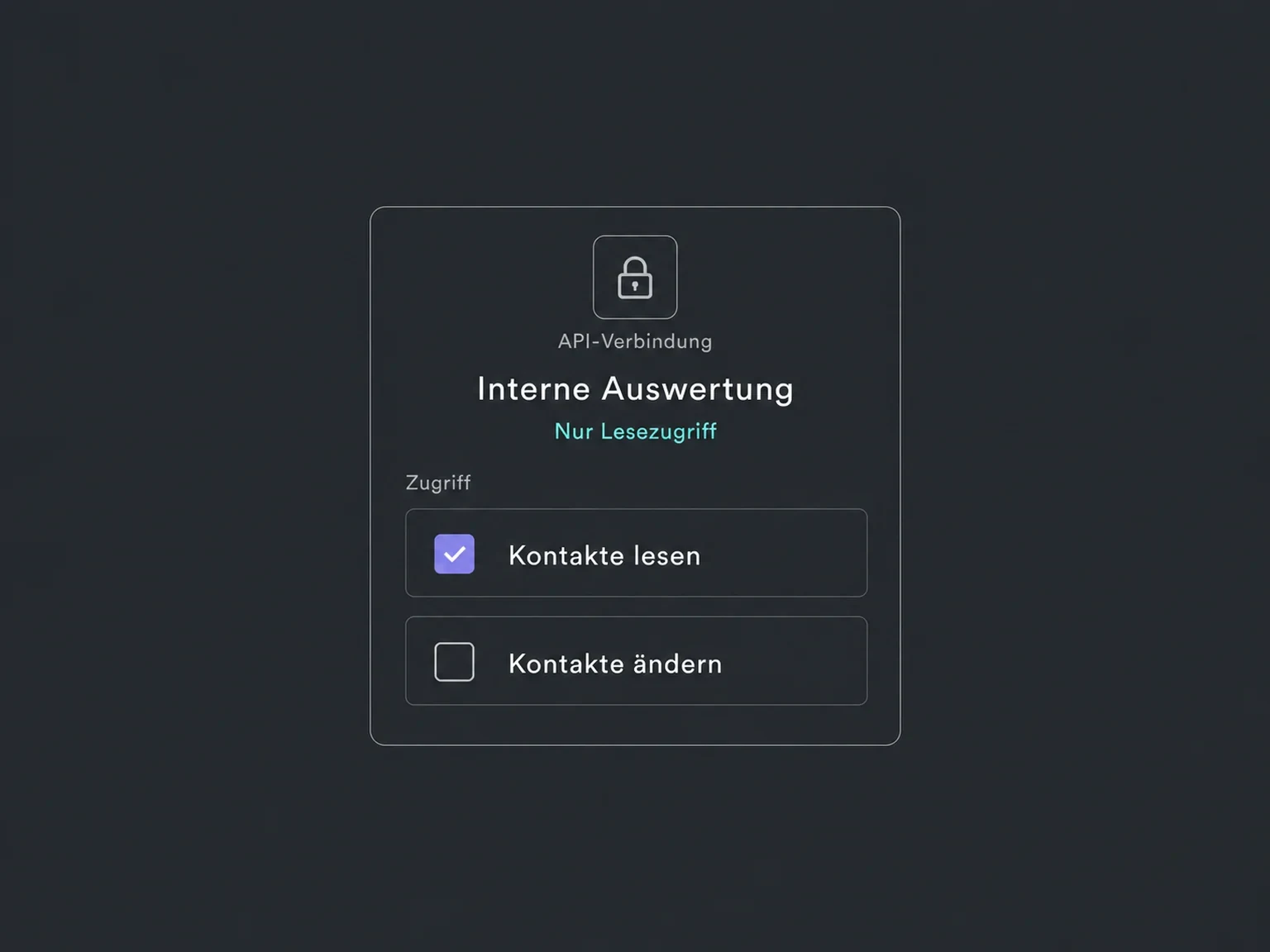
Disclose AI
State the company, purpose and AI role at the beginning.
Limit data
Obtain separate agreement to recording and retain only necessary data.
Consent missing, withdrawn or purpose unclear?
Do not start a marketing call; document or obtain legal review.
Orientation for Germany; obtain legal and data-protection review for the actual configuration.
Why technical capability is not permission
Current platform documentation describes up to 1,000 outbound voice AI calls per location per day and up to 10 per minute. These are technical capacity limits. They do not replace consent, purpose checks, suppression lists, time restrictions or legal review.
Germany's Federal Network Agency received 39,842 written complaints about unsolicited telemarketing in 2025, six percent more than in 2024. It imposed more than €1.099 million in fines across 13 major proceedings. Complaints are reported cases, and the value of fines does not measure the total number of unlawful calls. The figures nevertheless show active enforcement.
Complaints about unsolicited telemarketing increased
Written complaints received by Germany's Federal Network Agency · Calendar years 2024 and 2025; published 26 January 2026
- 202437,561
- 202539,842
View data table
| Category | Written complaints received by Germany's Federal Network Agency |
|---|---|
| 2024 | 37,561 |
| 2025 | 39,842 |
Complaints are reported cases, not a census of unlawful calls and not a measure of voice AI alone.
Source: Bundesnetzagentur: renewed increase in complaint figures · Calendar years 2024 and 2025; published 26 January 2026. All written complaints about unsolicited telemarketing received by the agency in the two years.
The agency reports a 6% increase in 2025. Reporting does not capture unreported cases or determine legality; the category is not limited to AI calls. Not ONE LOOP results.
Make the data chain visible
Before launch, document what the agent hears, asks for, stores and shares. This may include phone number, name, reason for calling, appointment details, transcript, recording, summary, sentiment assessment and triggered actions. Technical availability does not make every field necessary.
Data item | Decide before launch | Data-minimising option |
|---|---|---|
Audio file | purpose, consent, retention, access | do not record |
Transcript | legal basis, correction, access | necessary summary only |
Contact data | required or optional, origin | fields required by the process |
Call outcome | recipients and retention | defined status instead of free text |
A deletion period belongs in the process, not a later clean-up project. Access is limited to the people and systems that need it for the stated purpose.
Make consent and objections operational
For outbound calls
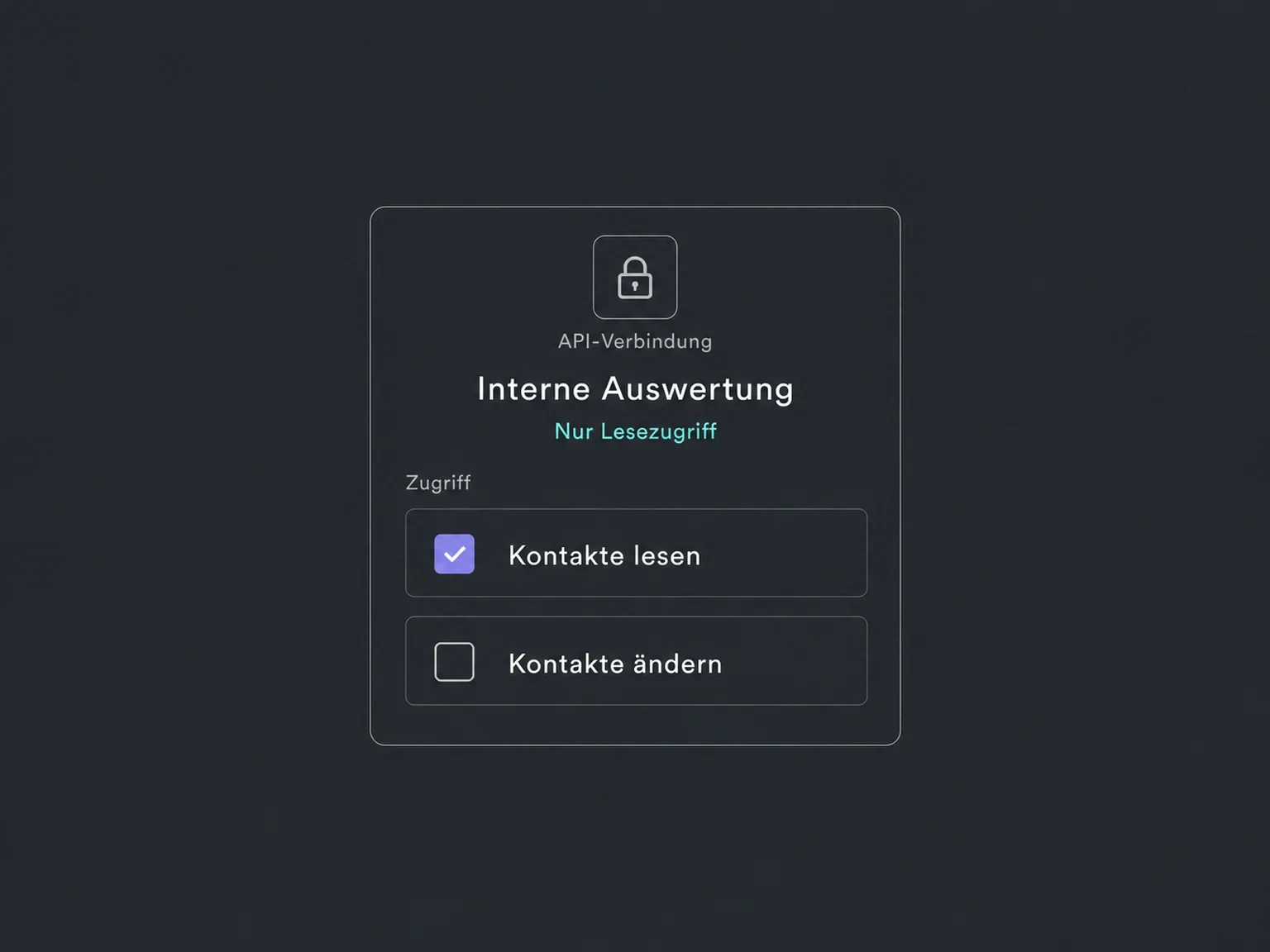
For outbound activity, each contact needs traceable evidence of consent including source, time, wording and scope. Withdrawal or objection must stop applicable contact reliably. The suppression status is checked before every call, not only when a campaign begins.
For call recording
For an inbound call, any agreement to recording is logged separately. Refusal must not accidentally become consent. The agent confirms the choice briefly and follows the designated path.
Roles and responsibility
The company deploying the voice agent remains responsible for purpose, configuration and operation. Telephony, model, CRM and automation providers process different parts of the flow. Contracts, subprocessors, storage locations, permissions and deletion rules need to fit the actual deployment.
A named owner approves knowledge changes, new actions and releases. Staff need enough AI literacy to recognise errors, take over conversations and avoid treating generated outcomes as correct without review.
Acceptance checks before launch
Test the opening disclosure, path to a person, acceptance and refusal of recording, objection to further calls, deletion, wrong identity, sensitive data and failed actions. Outbound testing also covers evidence of consent, suppression checks, purpose and allowed contact window.
The post-call record is part of the test. A correct spoken notice is not enough if the system then records anyway, ignores a suppression flag or stores excessive data.
How ONE LOOP starts with lower risk
ONE LOOP preferably begins with a narrow inbound use case and minimal data. Disclosure, handover and a non-recording path are built first. Outbound automation follows only with reliable consent logic and legal approval.
Conclusion
Trustworthy voice AI does not come from a long privacy monologue. It comes from clear identity, limited purpose, deliberate recording, minimal data, effective suppression and a reachable person. Building these controls into the workflow reduces risk and improves the conversation at the same time.
FAQ